When investigating urban commuting options, the 50cc scooter is often the first vehicle that comes to mind. It is deeply ingrained in global commuting culture, widely accessible, and historically cheap to purchase. However, if you are specifically researching the 50cc scooter top speed in kilometers per hour, you are likely already questioning if it has enough power for your daily needs. The harsh reality of modern commuting is that internal combustion engines under 50cc are severely outdated, mechanically restricted, and dangerously slow for modern traffic environments.

From our experience at TopRiding, we see countless riders purchase a 50cc scooter only to abandon it three months later due to lackluster performance, constant carburetor maintenance, and the terrifying inability to keep up with city traffic flow. In this comprehensive guide, we will answer exactly how fast a 50cc scooter goes, explain the mechanical and legal limitations holding it back, and demonstrate why upgrading to a modern high-performance electric scooter is the most logical commercial and practical decision you can make in 2026.
Quick Answer: 50cc Scooter Top Speed
A standard, factory-restricted 50cc scooter has a top speed of 45 to 50 km/h (28 to 31 mph). This restriction is intentionally engineered by manufacturers to comply with global licensing laws (such as the AM license in Europe or moped classifications in North America). If the scooter is mechanically derestricted (which is illegal for public road use in many jurisdictions and voids the warranty), a 50cc scooter can reach a top speed of approximately 60 to 70 km/h (37 to 43 mph). For riders requiring speeds above 50 km/h without the maintenance overhead of gas engines, we strongly recommend transitioning to high-wattage dual-motor electric scooters.
What is a 50cc Scooter?
A 50cc scooter is a lightweight two-wheeled vehicle powered by an internal combustion engine with a displacement of exactly 49.9 cubic centimeters. They are typically equipped with a step-through frame, a flat floorboard for the rider's feet, and an automatic Continuously Variable Transmission (CVT). Historically, these scooters utilized 2-stroke engines, which offered brisk acceleration but horrific emissions. Today, due to strict environmental regulations, almost every modern 50cc scooter features a heavier, more sluggish 4-stroke engine.
Legally, the 50cc scooter is classified as a moped in most regions. This classification is crucial because it allows the vehicle to be operated without a full motorcycle endorsement, provided the vehicle does not exceed the strictly enforced 45 km/h to 50 km/h top speed limit.
How a 50cc Scooter Works (And Why It Is Slow)
The sluggish top speed of a 50cc scooter is not an accident; it is an engineered feature. The small 49cc piston simply does not generate enough torque to propel an adult at highway speeds. To ensure the scooter does not accidentally exceed legal moped limits, manufacturers install physical and electronic restrictions.
Mechanically, a variator washer (or restrictor ring) is placed inside the CVT transmission. This prevents the drive belt from reaching the highest gear ratio. Electronically, the CDI (Capacitor Discharge Ignition) unit is programmed with a hard rev limiter, cutting spark to the engine if it spins past a certain RPM. When you try to push a 50cc scooter past 50 km/h, the CDI intervenes, creating a stuttering sensation that artificially caps your speed. While it is possible to remove these limiters, doing so puts immense strain on a tiny engine that was never designed to run at 10,000 RPM continuously.
Benefits of a 50cc Scooter
To provide an objective overview, we must acknowledge the reasons the 50cc scooter became popular in the first place:
-
Low Barrier to Entry: In many states and countries, you can ride a 50cc scooter with just a standard driver's license or a basic CBT certificate.
-
Initial Purchase Price: Used gas scooters are abundant and cheap to acquire.
-
Refueling Speed: Filling a small gas tank takes minutes compared to charging a battery.
Limitations and Mechanical Drawbacks
In our professional judgment, the limitations of a 50cc scooter vastly outweigh the benefits in the modern era.
-
Dangerously Slow Top Speed: At 45 km/h, you are significantly slower than general urban traffic, forcing cars to aggressively overtake you, which creates a highly dangerous riding environment.
-
Abysmal Hill Climbing: A 50cc scooter produces roughly 3 to 4 horsepower. If you weigh over 200 lbs and encounter a 10-degree incline, your speed will drop to a crawling 20 km/h. For heavier riders, we strongly recommend reviewing the best electric scooters for heavy adults instead.
-
High Maintenance Overhead: Internal combustion engines require constant oil changes, spark plug replacements, valve clearance adjustments, and carburetor cleanings. If you let a 50cc scooter sit over winter with ethanol fuel in the tank, the carburetor will clog, requiring a costly mechanic visit.
Who Should Use a 50cc Scooter
For beginners who live in highly dense, flat European cities with strictly enforced 30 km/h speed limits, a 50cc scooter can still serve a purpose. It is also suitable for teenagers aged 16 who are legally prohibited from riding anything larger but need basic transportation to school.
Who Does Not Need a 50cc Scooter
For commercial users, delivery drivers, commuters dealing with multi-lane roads, or anyone seeking a thrill, a 50cc scooter is a terrible investment. If your commute involves hills, or if you simply want to keep up with 60 km/h traffic flows safely, this vehicle will fail you. If you value acceleration and minimal maintenance, you must abandon the 50cc gas engine and explore the Top 10 electric scooters of 2026.
Common Mistakes Buyers Make
The most common mistake we see is buyers purchasing a 50cc scooter with the immediate intention of derestricting it to hit 70 km/h. By removing the variator washer and installing an aftermarket CDI, you force the tiny engine to operate at its absolute thermal threshold. In our testing, derestricted 50cc 4-stroke engines suffer catastrophic piston ring failure and valve burnouts within a year of modification. If you need 70 km/h, you should buy a vehicle designed to handle 70 km/h.
Another mistake is ignoring the rider's weight capacity. A 50cc engine struggles immensely under a heavy load. If you are a larger rider, look into an electric scooter with seat for adults 30 mph, which offers instant electric torque that gas engines simply cannot match.
Commercial Buying Considerations
When evaluating a 50cc scooter, you must factor in the Total Cost of Ownership (TCO). While the initial sticker price of a used Honda or Vespa 50cc might seem attractive, the ongoing costs of premium unleaded fuel, synthetic 2-stroke or 4-stroke oil, winterization, and regular mechanical servicing add up rapidly. Furthermore, the resale value of generic 50cc scooters plummets the moment they leave the dealership.
Contrast this with high-performance electric mobility. Electric scooters have zero fluids to change, no carburetors to clog, and cost pennies per charge. For those seeking absolute value, we recommend reviewing our guide on the best dual motor electric scooters.
Expert Recommendation: The High-Performance Electric Upgrade
From our experience, the 50cc scooter is obsolete. If you want a vehicle that offers superior top speeds, instant acceleration, zero emissions, and zero engine maintenance, you must upgrade to a modern high-wattage electric scooter. For heavy-duty applications and uncompromising performance, we recommend the TopRiding FOHOLO F19.
TopRiding FOHOLO F19 - Fast Electric Scooter for Adult
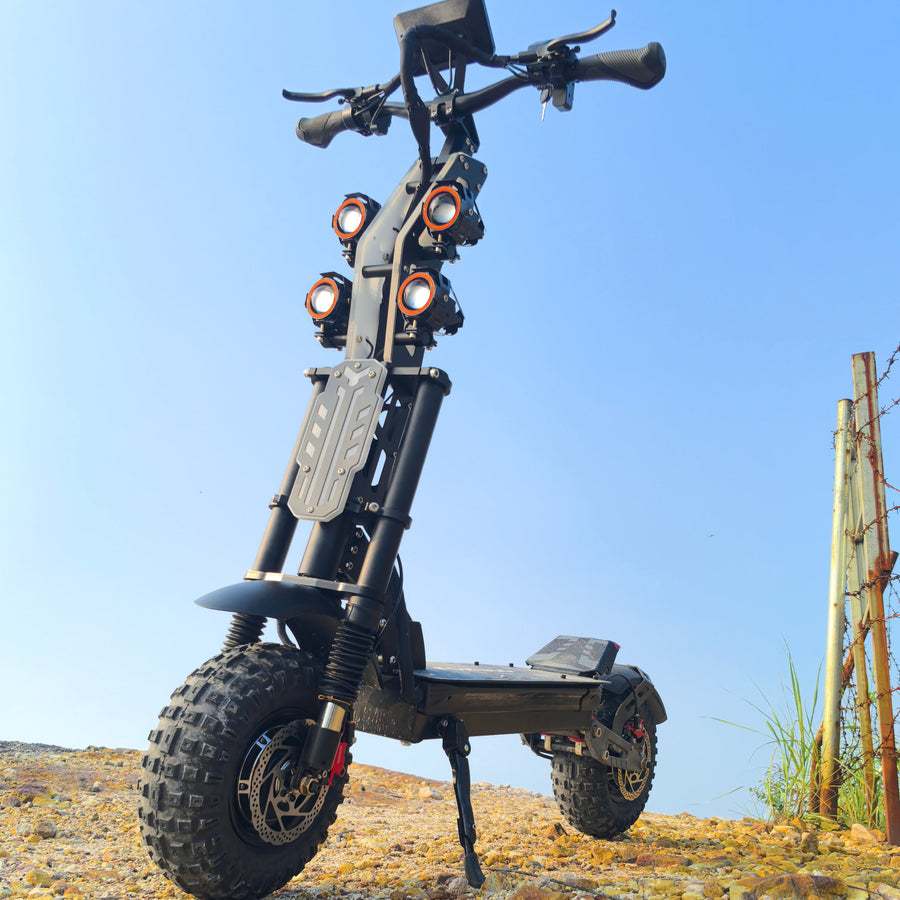
Forget the 45 km/h limitations of a gas scooter. The FOHOLO F19 is an engineering marvel designed to obliterate 50cc performance metrics. With 7000W dual motors, it achieves a blistering top speed of 55 MPH (approx. 88 km/h), allowing you to flow safely with fast-moving traffic. The massive 60V 33AH battery delivers up to 65 miles of range on a single charge.
-
Top Speed: 55 MPH (88 km/h)
-
Power: 7000W Dual Motors (Unmatched Hill Climbing)
-
Max Range: 65 miles
-
Battery: 60V 33AH
-
Load Capacity: Max Rider Load 440 LBS
-
Safety: UL 2272 Certification, Hydraulic Disc Brakes
-
Ride Comfort: 13″ All-Terrain Fat Tires, Triple Clamp Hydraulic Fork
Click here to view the FOHOLO F19 and upgrade your commute today.
For riders who prefer a more compact footprint, we also suggest looking into the best lightweight electric scooters for adults, which still offer superior acceleration to a 50cc gas engine but can be folded and carried into an office or apartment.
Essential Data and Comparison Tables
Quick Summary Table: 50cc Scooter vs. FOHOLO F19
| Specification |
Standard 50cc Scooter |
TopRiding FOHOLO F19 Electric |
| Top Speed (KM/H) |
45 - 50 km/h |
88 km/h (55 MPH) |
| Horsepower / Wattage |
Approx. 3 - 4 HP |
7000W Peak Power |
| Acceleration |
Sluggish (CVT Lag) |
Instant (Dual Motor Torque) |
| Maintenance Needs |
High (Oil, Gas, Spark Plugs) |
Low (Brake pads and tire checks only) |
Pros and Cons Table: 50cc Gas Scooter
| Pros |
Cons |
| Accessible licensing requirements in many regions. |
Top speed is capped at a dangerous 45 km/h. |
| Fast refueling at standard gas stations. |
Terrible acceleration, especially on steep hills. |
| Wide availability of cheap used models. |
High ongoing maintenance costs and mechanical failures. |
| Familiar form factor with under-seat storage. |
Loud, vibrating engines with high carbon emissions. |
Buying Guide Table: Should You Buy a 50cc Scooter?
| Rider Profile |
Recommendation |
Reasoning |
| Urban Commuter (Short Distance) |
Do Not Buy |
A high-performance electric scooter is faster, cheaper to run, and easier to store indoors. |
| Heavy Adult Rider (>250 lbs) |
Do Not Buy |
A 50cc engine lacks the torque to carry heavy riders up hills safely. Electric dual motors are required. |
| Rural Rider (Long Distance) |
Do Not Buy |
A 50cc scooter is illegal and suicidal on fast rural highways. You need a 125cc+ motorcycle or a 50+ MPH electric scooter. |
The Bottom Line
The 50cc scooter top speed of 45 to 50 km/h is a relic of the past, dictated by outdated mopeds laws and underpowered combustion engines. While they served a purpose decades ago, buying a 50cc scooter today is an exercise in frustration. They lack the speed to keep you safe in traffic, the torque to pull you up hills, and the reliability to justify their maintenance costs. If you are serious about efficient, fast, and reliable urban commuting, we emphatically recommend abandoning the 50cc gas engine in favor of modern, dual-motor electric mobility like the TopRiding FOHOLO F19.
Frequently Asked Questions
Why is my 50cc scooter not going past 45 km/h?
Your scooter is legally and mechanically restricted from the factory. Manufacturers install a washer in the CVT transmission that prevents it from shifting into the highest gear ratio, and a restricted CDI unit cuts the engine's spark at a specific RPM to keep the top speed under 45 km/h to comply with moped licensing laws.
Is it illegal to derestrict a 50cc scooter?
In most jurisdictions (including Europe, the UK, and many US states), derestricting a 50cc scooter to exceed 45 km/h (or 30 mph) automatically reclassifies the vehicle as a motorcycle. Riding a derestricted 50cc scooter without a full motorcycle license, appropriate insurance, and proper registration is illegal and can result in severe fines or vehicle impoundment.
Which is faster, a 50cc scooter or a high-end electric scooter?
A high-end electric scooter is vastly faster. While a 50cc scooter struggles to reach 50 km/h, premium electric scooters like the TopRiding FOHOLO F19 utilize 7000W dual motors to reach speeds up to 88 km/h (55 MPH) with instant torque acceleration that completely leaves 50cc gas engines behind.
Authoritative References & Further Reading
-
Environmental Protection Agency (EPA): Regulations and emission standards for small spark-ignition engines and mopeds. Read EPA Guidelines
-
National Highway Traffic Safety Administration (NHTSA): Federal motor vehicle safety standards regarding the classification and speed limits of motor-driven cycles and mopeds in the United States. NHTSA Regulations
-
Cycle World Magazine: Mechanical analysis of small-displacement internal combustion engines, CVT transmissions, and performance restrictions. Cycle World Technical Reviews


